The wash floor, in two frames
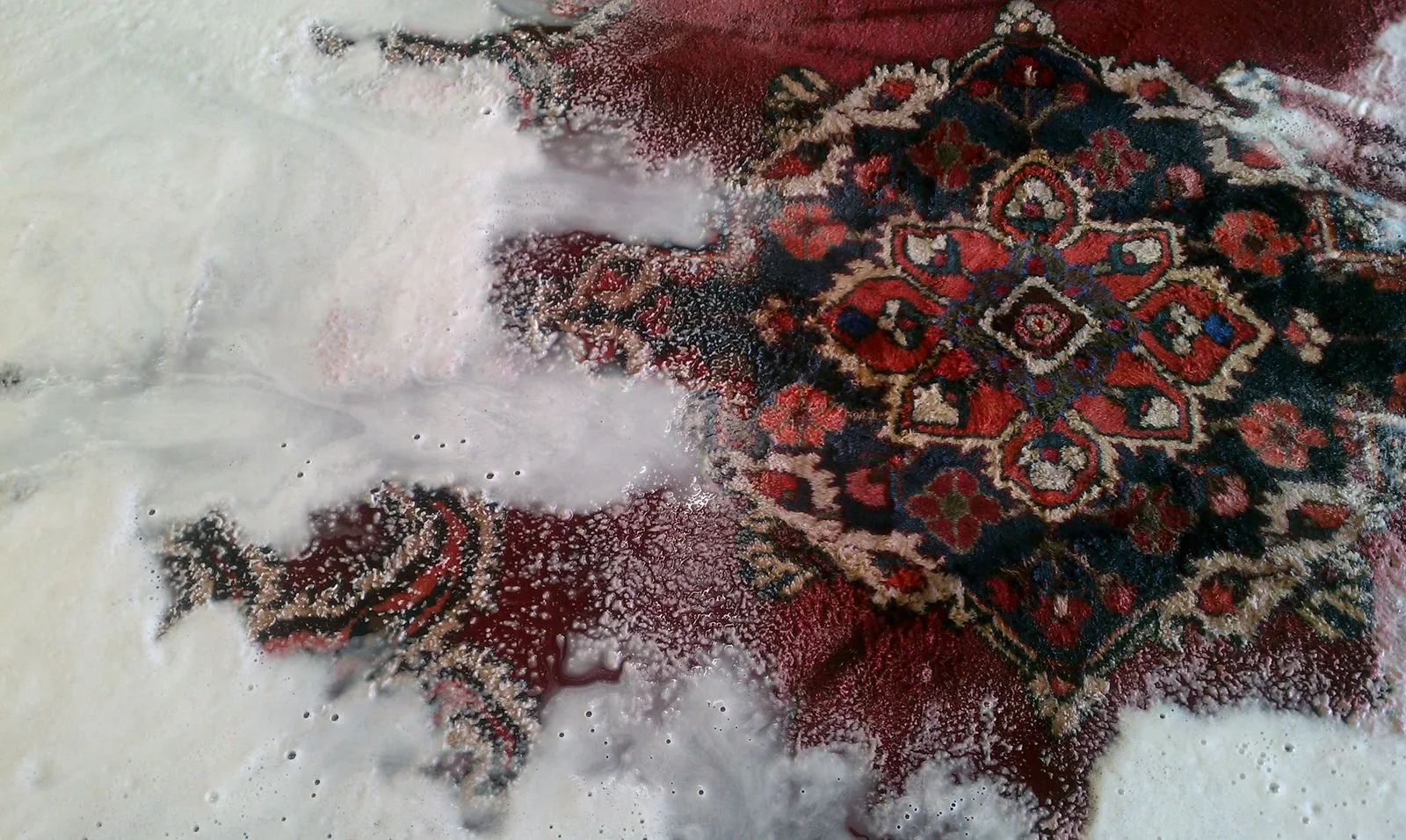
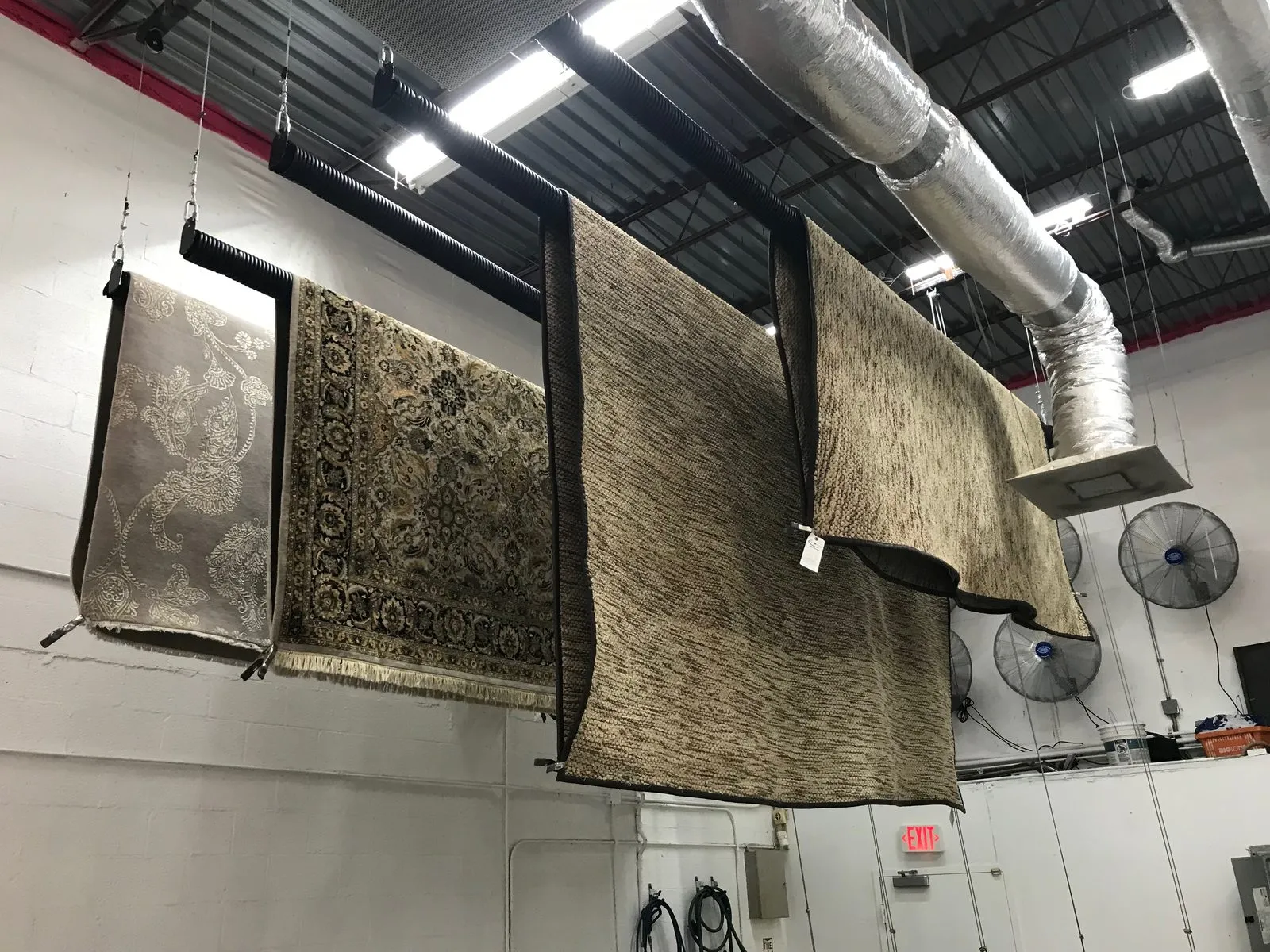
No two rugs show up in the same condition, so no two are handled the same way. Here is exactly what unfolds between the moment we collect your rug in Coral Springs and the moment we lay it back down in your home.
Step one, always
Because the rug tells us how to clean it, not the other way round. When we collect a piece in Eagle Trace or Turtle Run, the first thing back at the plant is a full look-over: we measure it, note the wear, the spots and any loose fringe, then put it to the test.
Only after that do we quote. The pre-inspection is free, and the price we set is locked before a single machine is switched on — so there is never an unwelcome number waiting at delivery.
Testing before water
Whether a rug can take a full wash comes down to two readings: its pH and the stability of its dyes. The pH shows us what has settled into the fibers over the years, and a quiet towel-test on a hidden corner shows whether the colors will hold once they get wet.
Some older vegetable-dyed rugs will run the instant they are soaked the wrong way. If yours is one of them, we shift the approach — cooler water, quicker handling, tighter drying — and we show you what we found first. Nothing is left to a guess.
Dry soil first
Because most of what makes a rug dirty is dry, not wet. Fine grit and sand sift down through the pile and lodge in the foundation, where a household vacuum will never reach — and Coral Springs homes track in plenty from the parks, the Sportsplex fields and the walking paths that ring the lakes.
Add water to a rug packed with dry grit and you make mud, ground straight into the base of the weave. So we beat and vacuum that soil out first. It is the least glamorous step and the one that protects the rug the most.
The bath itself
The rug is laid flat and given a full wet wash with a natural pH shampoo matched to its fiber and its dyes. Wool and silk get a soft hand; ground-in soil gets a firm one. Then it is rinsed — and the rinse keeps running until the water leaving the rug finally comes back clear.
This is the part a wand on your driveway simply cannot manage. A rug has to be flooded and flushed, not scrubbed in one spot, to carry decades of soil out of the foundation instead of pressing it deeper in.
Drying is where colors are won or lost
Speed and control. A wet rug left to dry slowly through a humid Coral Springs afternoon is exactly how one color creeps into the next and how a musty smell sets in. So the rug goes into a temperature and humidity managed room and is dried fast and evenly.
Controlled speed-drying pins the dyes in place before they have any chance to move. It is the quiet reason a properly washed rug comes back crisp instead of blurred along the edges.
The finish
Once the rug is dry, the pile is brushed back into its natural lay and the fringe is combed straight. Then it gets one last inspection against the notes we took at intake — confirming the spots we flagged are gone and the rug reads the way it should.
After that we wrap it, load it, and deliver it back to your door. Pickup and delivery is free across Broward County, and we set a delivery time that genuinely fits your day.
The honest part
Every so often the rug itself is the one telling us to stop. A newer synthetic that’s safe to freshen up at home has no need of a plant wash, and an antique too fragile to take water is better conserved than put through a bath.
We’d sooner lose the job than talk you into the wrong service.
When that’s the case, you hear it straight at the inspection — along with a nudge toward whatever actually helps, even when it’s something we don’t charge a cent for.
Free pre-inspection, zero pressure
Tell us a little about it and we’ll arrange a free Coral Springs pickup — then walk you through exactly what yours needs.
A quick look at how the work really happens.